Deep Fryers and Turkey Fryers: What to Buy and Fry Safely
Choose an electric deep fryer for fries and smaller batches, a propane fryer for outdoor immersion frying, or an oil-less cooker for large cuts without a vat of oil. Match food capacity, permitted placement and cleanup to your regular meals.
On this page (15 sections)
- What kind of deep fryer should you buy?
- Which electric fryer fits everyday meals or a whole turkey?
- Should you choose oil-less or oil frying?
- When does a propane turkey fryer make sense?
- How much fryer capacity do you need?
- How do electric and propane fryers compare?
- How should you set up before heating oil?
- How do you estimate oil without causing an overflow?
- How do you get better results from a deep fryer?
- What safety rules matter most when frying a turkey?
- What should you consider for cleaning and oil disposal?
- Which common fryer buying mistakes should you avoid?
- How did PlushPouch choose these fryer examples?
- Frequently asked fryer questions
- Which deep fryer should you buy for your cooking routine?
Choose an electric deep fryer for fries and smaller batches, a propane fryer for outdoor oil frying, or an oil-less cooker for large cuts without a vat of oil. Start with your usual meal and the space where you can safely cook it.
A fryer for chicken tenders solves a different problem from a cooker for a whole turkey. Buying more capacity than you need also means finding room to fill, drain, wash and store larger equipment.
This guide compares those choices and explains the work behind each one. If you already want a countertop electric model, start with our best deep fryers.
What kind of deep fryer should you buy?
Buy an electric deep fryer for regular small-batch frying, a larger electric cooker for bigger meals, or a propane setup for suitable outdoor space. Choose an oil-less cooker when turkey and roasts matter more than battered foods.
| Fryer type | Best fit | Main commitment |
|---|---|---|
| Electric deep fryer | Fries, chicken pieces, battered vegetables and seafood | Handling oil and allowing time between batches |
| Electric turkey fryer | Larger meals, with boiling or steaming on models built for them | Finding operating space and managing a larger vessel |
| Propane turkey fryer | Outdoor turkey frying and large-pot cooking | Managing flame, fuel, lifting and hot liquid |
| Oil-less propane cooker | Whole birds and large cuts without immersion oil | Providing an outdoor propane cooking area |
Start with 3 questions: What will you cook most often, where will you cook it, and how much cleanup will you accept? These answers narrow the choice more than a long feature list.
For occasional fries for 2 people, a turkey-size cooker adds work without solving a useful problem. For a whole bird or a seafood gathering, a small basket fryer creates a different problem: too many batches or insufficient room.
Keep cooking method separate from the appliance name. An oil-less turkey cooker cannot stand in for a pot of oil when your recipe calls for wet-battered fish.
Which electric fryer fits everyday meals or a whole turkey?
Choose the Hamilton Beach for basket frying and the Masterbuilt for larger electric cooking with boiling and steaming options. Their food formats and cleanup features make them useful to different households.
Hamilton Beach: a deep fryer for fries and mixed batches
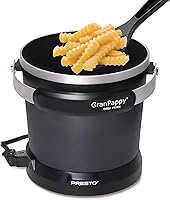
The Hamilton Beach 4.5 L Deep Fryer suits households that regularly make fries, chicken pieces or seafood. Its 1800 watt immersed element, adjustable 265°F to 375°F dial and ready light give you dedicated oil-heating controls.
The basket choice is its main buying advantage. Use the large basket for one food or the smaller pair when 2 foods need separate handling or different removal times.
Both smaller baskets share the oil vessel, so they do not create separate cooking temperatures or keep flavors and allergens apart. Choose foods that can cook at the same oil temperature.
The vented lid and viewing window help you monitor cooking while limiting splashes. Baskets hook over the oil pot for draining, which keeps that step above the vessel rather than requiring you to carry a dripping basket across the kitchen.
Skip it for whole-turkey cooking or if you rarely make enough fried food to justify storing a dedicated appliance. It measures 14.1 inches deep, 21.4 inches wide and 10.5 inches high, before allowing operating clearance and room for food trays.
A wide appliance can fit on a counter yet leave too little working space beside it. Our guide to choosing the best deep fryer for home use helps you weigh that everyday fit.
Masterbuilt: larger electric meals with more cooking methods
The Masterbuilt 10 L XL Electric Turkey Fryer suits cooks who want to fry a whole bird and also use the appliance for boiling or steaming. Its 3 cooking functions give it a role beyond holiday oil frying.
Masterbuilt specifies a turkey capacity of up to 20 lb. Treat that as a ceiling, then follow the manual's fit and fill instructions for the bird you plan to cook.
The cooking basket has drain clips and a lifting hook, while a built-in valve helps empty cooled liquid. These features matter when the meal leaves you with a large volume of oil or water to handle.
Skip it for small weekly snacks if a smaller fryer meets your needs. At 16.5 inches deep, 18.4 inches wide and 14.8 inches high, it needs a planned work area as well as storage space.
It weighs 20.5 lb before food or liquid goes in. Choose its location before filling it, and leave it there until the contents are fully cool.
Use either electric model only where its manual permits. Electric heat removes the propane connection, but hot oil, steam, cords and an unstable surface still need careful management.
Should you choose oil-less or oil frying?
Choose oil frying for an immersed crust on fries, battered fish and similar foods. Choose an oil-less cooker for large cuts when avoiding a vat of oil matters more than reproducing that cooking method.
The Char-Broil The Big Easy Oil-Less Turkey Fryer uses propane and infrared heat outdoors. Its food limits are a turkey or chicken up to 16 lb, an 8 lb roast or a 6 lb pork shoulder.
This is the strongest fit here for a buyer who wants an outdoor bird or roast cooker but dislikes buying, filtering and storing frying oil. The front-access grease tray gives you a separate place to collect drippings.
It includes a cooking basket, basket lifter, lid and meat thermometer. Plan a heat-safe landing area for the basket and food before cooking begins.
Skip it if battered seafood and fries are your main goal. Oil-less cooking does not surround food with hot liquid, so use recipes written for that method rather than transferring immersion-frying instructions.
The absence of a vat also does not remove the need for propane precautions. Hot surfaces, grease and the burner still require supervision and the clearances in the manual.
Read oil-less vs oil turkey fryers for the cooking-method decision. Our oil-less turkey fryer guide explains how this style of cooker fits a meal plan.
When does a propane turkey fryer make sense?
A propane turkey fryer makes sense for outdoor immersion frying or large-pot boiling when you can manage the setup and lifting. Rule it out if your only available space is a porch, garage or another unsuitable area.
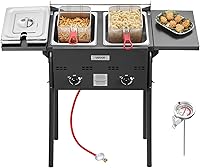
The GasOne 30 Qt Turkey Fryer Set combines a propane burner, pot and perforated basket. Its accessories include a regulator and hose assembly, thermometer, marinade injector, turkey holder and turkey holder rack.
Choose this set if turkey frying and seafood boils are both real uses in your cooking calendar. The separate pot-and-burner format suits those outdoor meals better than buying it mainly for a few servings of fries.
The included equipment gives you a starting kit, but you still need to plan fuel, protective gear, a stable cooking area and cooled-liquid handling. Having a thermometer also means actively watching it and adjusting heat.
Skip it if you want an indoor appliance or automatic temperature regulation. With a propane pot, you manage burner output and watch the oil temperature throughout the cook.
The pot's 30 qt volume does not guarantee a turkey weight limit or tell you how much oil to add. Use the manual's food-fit and fill instructions rather than converting pot volume into a bird size.
Our best turkey fryers guide compares dedicated turkey options. For meals beyond the bird, see using a turkey fryer for fish or a seafood boil.
How much fryer capacity do you need?
Choose capacity for your normal serving batch, then check the largest food you expect to cook. Oil capacity, food capacity and total pot volume describe different things.
The Hamilton Beach holds up to 12 cups of food, with one 12 cup basket or two 6 cup baskets. That gives you a stated food limit, but pieces still need room for oil to circulate.
A basket's maximum load is a ceiling rather than a target for every recipe. Bulky battered pieces can need smaller batches than thin fries because crowding encourages sticking and uneven cooking.
For a whole turkey, weight is only part of fit. The bird must sit correctly in its holder, remain within the appliance's limits and leave the required space for displaced oil.
Think about serving time as well as capacity. A larger basket can reduce the number of batches, but only if the food fits loosely enough and the oil returns to cooking temperature between loads.
If you plan to cook 2 foods together, match their temperature needs first. Our dual basket deep fryer guide explains when separate baskets help and when they add little.
For whole birds, use the turkey fryer size guide to work through fit. Do not buy a larger bird just because there appears to be spare room above the basket.
How do electric and propane fryers compare?
Choose electric for appliance-based heat controls and propane for an outdoor burner setup. Compare actual food capacity and operating requirements rather than assuming one fuel makes every job faster.
| Decision | Electric deep fryer | Propane turkey fryer |
|---|---|---|
| Location | Only where the appliance manual permits | Outdoors with required clearances |
| Heat control | Built-in controls vary by model | Burner adjustment and temperature monitoring |
| Setup | Suitable outlet, stable surface and safe cord route | Burner, pot, fuel connection and outdoor cooking area |
| Food handling | Basket loads or larger electric cooker loads | Larger basket or turkey lifting equipment |
| After cooking | Cool, drain and clean appliance parts | Cool liquid, clean pot and store burner equipment |
Electrical fit deserves attention before buying. Follow the appliance's outlet and circuit requirements, keep cords away from water and foot traffic, and do not add a power strip or extension cord unless the manual permits it.
For propane, inspect the hose and connections as directed before use. Keep the tank and hose positioned according to the manual, away from surfaces or flame that could damage them.
Heating-element wattage and burner output are not direct cooking-time promises. Oil volume, starting food temperature, batch size and weather for outdoor cooking all affect the job.
For a turkey-specific choice, read electric vs propane turkey fryers. The broader electric deep fryer vs gas deep fryer comparison covers everyday frying setups.
How should you set up before heating oil?
Set up the full food route before switching on the heat: raw food, fryer, draining area and finished-food tray. Keep that route short and free of cords, children, pets and other kitchen traffic.
Measure the appliance's footprint and required clearance, including space above it for lifting. A shelf or cabinet that clears a closed lid may still block basket removal or trap steam.
Place raw food on one tray and cooked food on a clean tray. Have dry utensils, heat-resistant gloves and a food thermometer ready so you do not leave the fryer to search for them.
For a countertop appliance, use a stable, heat-safe surface and follow its ventilation requirements. A lid can limit splashes, but it does not remove cooking odors or the need for clearance.
For propane, choose level, stable, noncombustible ground outdoors. Do not improvise a raised support or move the cooker under a roof because rain begins.
Allow enough time for the oil to cool where the fryer stands. A location that must be cleared immediately after dinner is a poor choice for a vessel of hot oil.
How do you estimate oil without causing an overflow?
Use the manual's fill limits and food-size procedure to establish the oil amount before heating. Food pushes the oil level upward, so an empty pot's apparent spare room can be misleading.
If the manual calls for water displacement, do that measurement cold with the burner off. Remove all water afterward and thoroughly dry the pot, food holder and turkey, including its cavity.
Never pour in the pot's full stated volume as frying oil. Leave the required room for the food and bubbling, and follow any minimum fill line needed for safe operation.
Check the amount before heating rather than trying to correct an overfilled hot pot. Keep water, ice and wet tools away from hot oil.
For turkey frying, follow the prescribed lowering procedure and turn off the propane burner before lowering the bird. Lower it slowly with the correct equipment, then resume heating only as directed.
Use our turkey fryer oil amount guide for the full measuring process. Repeat the measurement when the bird or equipment changes rather than relying on last time's amount.
How do you get better results from a deep fryer?
For better deep fryer results, control moisture, batch size and temperature. A larger load is useful only when the oil can cook the food evenly.
Preheat before the first batch
Bring the oil to the recipe's cooking temperature before adding food. With an adjustable fryer, use the required setting rather than turning it to maximum for every dish.
Let the oil recover between batches. Adding the next load while it is still too cool can leave the exterior greasy before the center finishes cooking.
Prepare food for immersion frying
Dry uncoated food as the recipe directs, and let excess batter drip away before lowering it. Loose moisture and heavy drips make the oil bubble more sharply and leave more debris behind.
Follow package and appliance directions for frozen foods approved for deep frying, removing loose surface ice first. A whole frozen or partly frozen turkey must never go into hot oil.
Give food room and check the center
Lower manageable batches and avoid packing pieces tightly together. For battered foods, follow the recipe's loading method so the coating does not stick together or catch in the basket.
Check meat and poultry with a food thermometer rather than judging doneness by crust color. Large pieces can brown outside while the center still needs cooking.
Drain without carrying oil across the room
Use the fryer's intended basket support or draining method. Keep the landing tray nearby and avoid holding a heavy, dripping basket over your body.
Season food after it leaves the oil unless the recipe directs otherwise. Clear stray crumbs between batches only with suitable dry tools and a method allowed by the appliance instructions.
What safety rules matter most when frying a turkey?
The essential rules are correct placement, a fully thawed and dry bird, controlled lifting and constant supervision. Hot oil can overflow or ignite if the pot is overfilled or moisture enters it.
Before cooking, work through these steps:
- Put a propane fryer outdoors on stable, level, noncombustible ground with every required clearance.
- Keep children, pets and bystanders outside the cooking area.
- Inspect the equipment and check propane connections as the manual directs.
- Confirm that the bird is fully thawed, dry and within the cooker's limits.
- Establish the correct oil fill before heating.
- Turn off the propane burner before lowering or removing the turkey, following the manual's procedure.
- Use the correct lifting equipment and heat-resistant gloves, keeping your face away from the pot.
- Stay with the cooker and monitor temperature throughout cooking.
Never leave heating oil unattended or use water on an oil fire. If oil smokes or overheats, stop heating it safely and follow the appliance's emergency instructions.
Keep a suitable cooking-oil fire extinguisher accessible without reaching across the cooker. If a fire spreads or you cannot control it safely, move away and call emergency services.
Protective clothing helps with incidental splashes; it cannot make an overflowing pot safe. Let the entire setup cool before moving or dismantling it.
Use the turkey fryer safety checklist before cooking. For location limits, read can you use a turkey fryer indoors?.
What should you consider for cleaning and oil disposal?
Choose cleanup features around how you will empty, wash and store the fryer. Removable parts help, but they do not eliminate the need to handle cooled oil.
The Hamilton Beach has a dishwasher-safe oil pot, baskets and lid. Hand-wash its removable heating element as directed, keeping electrical connections and other restricted areas dry.
The Masterbuilt has dishwasher-safe components and a removable hinged lid. Identify the washable parts in its manual rather than placing the assembled electrical appliance in water.
Before using a drain valve, position a suitable container securely beneath it and confirm that the oil is fully cool. Check the receiving container's capacity before opening the valve.
For any fryer, remove food debris and wash permitted parts before residue hardens. Dry everything fully before reassembly, storage or the next oil fill.
A propane set also needs separate care for the burner, hose and fuel connection. Store those parts as directed rather than treating the whole setup like a washable cooking pot.
See how to clean a deep fryer for the cleaning sequence. Our guide to filtering and reusing deep fryer oil explains handling between meals.
Decide whether cooled oil is worth keeping
Reuse only oil that remains suitable for cooking, and filter out crumbs before storing it in a sealed container. Keep track of what was cooked in it, especially strongly flavored foods and allergens.
Discard oil that smells rancid, becomes unusually thick or foamy, or smokes at normal cooking temperatures. A fixed reuse count is less useful than its condition and the foods cooked in it.
Never pour oil into a sink, toilet or storm drain. Contain it and follow local disposal or collection rules.
Which common fryer buying mistakes should you avoid?
Avoid choosing by pot size alone, an occasional holiday meal or a feature you will rarely use. The best fit is equipment you can operate and clean comfortably during a normal week.
- Buying for one oversized meal: Borrowing or changing the menu may make more sense than storing a large cooker all year.
- Treating 2 baskets as 2 fryers: Shared oil means shared temperature, flavor and allergen exposure.
- Assuming oil-less means indoor: Check fuel and placement, especially for propane cookers.
- Ignoring the cooling period: Hot oil needs a secure place to remain after everyone has eaten.
- Planning only for the appliance: Leave room for lifting, raw and cooked trays, draining and cleaning.
- Expecting a lid to solve every mess: Food preparation, load size and oil level still affect splashing.
Also check whether the parts fit your sink or dishwasher before buying. A removable pot is less helpful if washing it becomes a difficult job every time.
How did PlushPouch choose these fryer examples?
PlushPouch compared these models for 4 separate jobs: basket frying, larger electric meals, oil-less outdoor cooking and outdoor immersion frying. Capacity, cooking functions, included equipment and cleanup features guide each recommendation.
The examples show why the highest capacity is not always the most useful choice. The appliance manual remains the source for operating limits, permitted placement and care.
Frequently asked fryer questions
Choose a deep fryer by cooking method, food capacity and a workable setup. These answers address the remaining choices that can change what you buy.
Can a deep fryer replace a saucepan?
A deep fryer can replace a saucepan for suitable immersion-frying recipes, but it is not a general-purpose pot. Use water, sauces or steaming liquid only in an appliance designed for those tasks.
Follow its permitted uses and fill limits rather than assuming every removable vessel can handle every cooking method.
Can I use an electric turkey fryer indoors?
Use an electric turkey fryer indoors only if its manual permits that location and your space meets its clearance and electrical requirements. Measure the operating area, including room for lifting and draining.
Keep the appliance on a stable surface away from water, traffic and anything that could snag its cord.
Is an oil-less turkey fryer still a turkey fryer?
Yes, but it uses a different cooking method from immersion frying. An oil-less turkey cooker heats the bird without a vat of oil, so recipes and food choices need to suit that method.
The Char-Broil example here uses propane outdoors and still needs careful placement and supervision.
How do I choose between frying and boiling?
Choose frying for a browned, oil-cooked exterior and boiling for food cooked in water or seasoned liquid, such as a seafood boil. Pick equipment built for the method you want.
If you expect to use both, consider a suitable multipurpose cooker and allow time to clean and dry it between uses.
What should I do with used fryer oil?
Let the oil cool fully, then assess its condition before saving it. Filter suitable oil into a clean, sealed container and keep track of the foods cooked in it.
Contain oil that needs disposal and follow local guidance; never pour it into household drains or a storm drain.
Which deep fryer should you buy for your cooking routine?
Buy the smallest deep fryer that handles your regular meal comfortably, with a location and cleanup plan you can maintain. Use the food you cook most often to make the final choice.
Choose the Hamilton Beach for basket-fried meals and separate handling of compatible foods. Choose the Masterbuilt when larger electric meals, boiling and steaming will earn their storage space.
Choose the Char-Broil Big Easy for outdoor birds and roasts without a vat of oil. Choose the GasOne set when outdoor immersion frying and seafood boils are the jobs you actually want to do.
For electric choices, compare electric deep fryers; for a suitable yard setup, browse outdoor deep fryers. Before your first outdoor cook, use the turkey fryer safety checklist to confirm that the location and handling plan are ready.
Frequently asked questions
Can you use a turkey fryer indoors?
Use an electric turkey fryer indoors only if its manual permits it and you can meet its clearance and electrical requirements. Propane turkey fryers belong outdoors because they use an open flame and produce combustion gases.
Never use an outdoor propane fryer in a home, garage or enclosed space.
How much oil does a turkey fryer need?
Use the amount determined by the fryer's fill limits and instructions for your food size. A turkey displaces oil, so the pot's total volume is not the fill amount.
If the manual requires water displacement, measure before heating, then remove the water and dry the pot and bird thoroughly.
Is an oil-less turkey fryer the same as an electric deep fryer?
No. An oil-less turkey fryer cooks without immersing food in a vat of oil, while an electric deep fryer heats oil for foods such as fries and chicken pieces.
Some oil-less cookers use propane and require outdoor use, so choose by cooking method and permitted location.
What is the safest place to use a propane turkey fryer?
Use a propane turkey fryer outdoors on a level, stable, noncombustible surface that meets every clearance in its manual. Keep it away from buildings, decks, railings and overhead branches.
Keep children and pets outside the cooking area, and never operate it in a garage, tent or other enclosed space.
Can you fry a frozen turkey?
No. A frozen or partly frozen turkey can cause hot oil to overflow as moisture turns to steam.
Thaw the bird completely and dry it thoroughly, including the cavity.
Follow the fryer's lowering procedure, and turn the propane burner off before lowering the turkey into the oil.